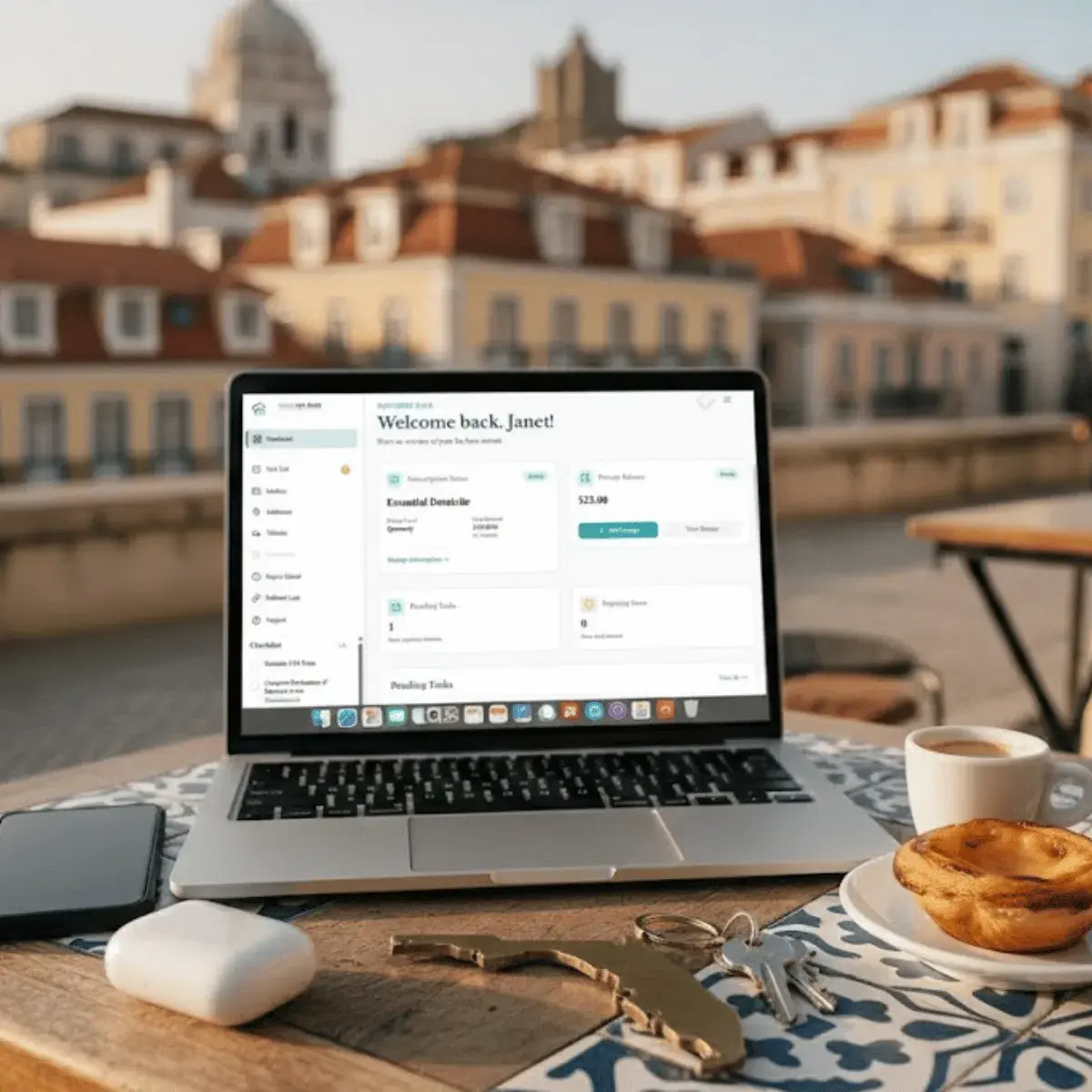
We help you establish Florida residency the right way, with a real residential address, automated paperwork, and expert guidance every step of the way. No PO boxes. No guesswork.
Florida has no state income tax. Here's what that could mean for you.*
Annual Income
$100,000
California~$5,050
New York~$4,850
Florida$0
Save up to
$5,050/year*
Annual Income
$150,000
California~$9,700
New York~$8,300
Florida$0
Save up to
$9,700/year*
Annual Income
$300,000
California~$23,650
New York~$20,000
Florida$0
Save up to
$23,650/year*
*State income tax for a single filer under 2026 rate schedules with the standard deduction, before credits. New York figures are state tax only; NYC residents pay an additional city tax of up to 3.876%. Your actual savings depend on your income, deductions, filing status, and whether you properly establish Florida domicile. Consult a tax professional for advice specific to your situation.
Why Remote Workers Choose Us
More than a mailbox. We guide you through every step of establishing Florida residency.
Potential Tax Savings
Florida has no state income tax. We help you establish residency properly so you can potentially keep more of what you earn.*
Work From Anywhere
Florida doesn't require you to spend a minimum number of days in-state. Maintain your residency while traveling or working remotely.
Audit-Ready Documentation
We help you build a clear paper trail (address changes, domicile declaration, and more) so you're prepared if questions arise.
Simplified Tax Filing
No state income tax return to file. Just federal, potentially saving you time, stress, and CPA fees each year.
Virtual Mailbox Included
Every plan includes virtual mail. View scans online, request forwarding, or archive, all from your dashboard.
Real Residential Address
Not a PO box. You get a real Florida residential address for your driver's license, voter registration, and official documents.
How It Works
Your personalized Florida residency roadmap in 5 steps.
1
Step 1
Create Your Account & Share Your Situation
Sign up and answer a few questions about your current state, work situation, and goals. This helps us build your personalized Florida residency roadmap. Takes about 15 minutes.
What you get: A clear checklist and timeline for your residency setup.
2
Step 2
Complete Notarization & Activate Your Mailbox
We auto-fill your 1583 authorization form. You'll complete a quick online notarization with our integrated partner. After your notarized Form 1583 is accepted, your virtual mailbox is typically active within 2 to 5 business days.
What you get: Notarized authorization + active virtual mailbox with online access.
3
Step 3
Get Your Florida Driver's License
We provide a DMV checklist so you arrive prepared. Your Florida driver's license is one of the strongest proofs of residency. Then update your address with banks, payroll, and insurance.
What you get: DMV document checklist + master address-update guide.
4
Step 4
Establish Strong Florida Ties
We guide you through documenting your move from your prior state: canceling old registrations, updating financial accounts, and registering to vote in Florida. This pattern of ties strengthens your residency.
What you get: Comprehensive checklist of accounts and documents to update.
5
Step 5
File Taxes as a Florida Resident
Next tax season, file as a Florida resident. Depending on your situation, you may benefit from Florida's zero state income tax. Work with your CPA or tax advisor to confirm your tax strategy.
What you get: Guidance on what may apply to your situation.
Trusted by professionals
Here’s what our clients are saying about Your Tax Base.
If your employer is based in New York, Pennsylvania, Delaware, Nebraska, Alabama, Connecticut, Massachusetts, or New Jersey, these states may still try to tax your income, even if you live in Florida.
New York is particularly aggressive. They may tax you if you work remotely "for your own convenience" rather than your employer's requirement.
California generally won't tax you if you're a non-resident working entirely from Florida.
Our suggestion: If your employer is in a COE state, it's worth consulting a tax attorney before making the move. Some remote workers have successfully negotiated with employers or found new positions to avoid this issue. We're happy to point you to resources that can help.
Remote Work Tax FAQ
Common questions about Florida residency for remote workers
Yes, if you properly establish Florida as your legal domicile. Florida is one of nine states with no personal income tax, so once you're a resident and have severed ties with your previous state, you generally won't owe state income tax on your earned income. That said, if your employer is in a state with a "convenience of employer" rule (like New York), that state may still try to tax you. We always recommend consulting a tax professional to understand your specific situation.
The 183-day rule is often misunderstood. Florida itself does not require you to spend 183 days (or any minimum) in the state to be a resident. What matters to Florida is your intent and your ties (driver's license, voter registration, address on official documents). However, the state you're leaving may use the 183-day test to determine if they can still claim you as a tax resident. If you spend 183 or more days in your old state (like California or New York), they may argue you haven't truly left. The key is avoiding 183 days in your former state, not hitting 183 days in Florida. We help you document your residency change properly.
The convenience of the employer (COE) rule is used by certain states to tax remote workers based on where their employer is located, even if the employee never physically works in that state. Five states enforce a full COE rule: New York, Pennsylvania, Delaware, Nebraska, and Alabama. Three more states (Connecticut, Massachusetts, and New Jersey) have retaliatory versions that apply in specific circumstances. New Jersey began enforcing their rule in 2024. If you work remotely for a company headquartered in a COE state "for your own convenience," that state may still try to tax your income. Florida itself has no such rule, but your employer's state might. This is a complex area. We recommend consulting a tax attorney to understand how it applies to you.
We guide you through the key steps: filing a Declaration of Domicile in your Florida county, obtaining a Florida driver's license, registering to vote in Florida, using your Florida address on all official documents (banking, IRS, employer), moving vehicle registration to Florida, and documenting your move from your previous state. The most important factor is demonstrating your intent to make Florida your permanent home, and we help you build that documentation.
High-tax states like California and New York are known for auditing former residents who claim to have moved to no-tax states. They look for evidence that you didn't truly relocate, like maintaining a home, having family, or spending significant time in the old state. Proper documentation and a clean break from your prior state is essential. We help you establish the Florida ties and paper trail that demonstrate genuine residency.
California uses a "source-based" rule. They tax income for work performed while physically in California, but generally won't tax you if you're a non-resident working remotely from Florida. New York uses the "convenience of employer" rule. They may still try to tax you if you're remote "for your convenience." If you work for a company in a COE state, we recommend consulting a tax professional before making the move to understand your specific situation.
Potential savings depend on your income and current state. For a single filer under 2026 rate schedules (standard deduction, state income tax only, before credits): at $100,000 income, roughly $5,050/year compared to California or $4,850/year compared to New York. At $150,000, roughly $8,300 to $9,700. At $300,000, roughly $20,000 to $23,650. NYC residents save more because the city adds its own tax of up to 3.876%. These are estimates. Actual savings vary based on your deductions, filing status, and whether you properly establish domicile.
Florida does not require you to spend a minimum number of days in the state to maintain residency. What matters is your intent and the strength of your ties. You should use Florida as your primary address, have your important documents there, and not maintain stronger ties elsewhere. Many remote workers and digital nomads maintain Florida residency while traveling full-time. We help you set up the right documentation.
The year you change residency is typically a "split year." You'll file as a resident of your former state for the portion of the year before you established Florida domicile, and as a Florida resident for the rest. You'll still owe state taxes on income earned while you were a resident of your former state. The exact rules vary by state, so work with a tax professional to handle your transition year correctly. Once you're fully established as a Florida resident, you generally won't owe state income tax on future earned income (unless convenience of employer rules apply).
Employers generally must comply with your legal address change for payroll and tax withholding purposes. However, some employers have policies about where employees can work from (due to their own tax nexus concerns). If your employer raises concerns, you may need to discuss it with HR or consult an employment attorney. We can point you to resources that may help.
A Declaration of Domicile is a legal document you file with your Florida county clerk, stating your intent to make Florida your permanent home. While not technically required by law, it's one of the strongest pieces of evidence you can have if your former state ever questions your residency. We help you prepare this document and walk you through the filing process. It's a simple but important step in establishing your Florida domicile.
The timeline varies, but most people can complete the core steps within 2 weeks. This includes signing up, completing your 1583 (we review in 1 to 3 business days, then your address is typically active within 2 to 5 business days of acceptance), and getting your Florida driver's license (varies by DMV). The ongoing process of updating all your accounts and documents can take a few more weeks. There's no magic date when you 'become' a Florida resident. It's about building a pattern of ties and demonstrating intent. We give you a clear checklist so you know exactly what to do and when.
Ready to Make Florida Your Home Base?
Join hundreds of remote workers who've streamlined their Florida residency with Your Tax Base.
*Estimated savings based on current state income tax rates. Actual savings vary based on income, deductions, filing status, and individual circumstances. Changing domicile requires meeting Florida state requirements and properly documenting your move from your former state. High-tax states like California and New York actively audit former residents and may challenge your residency change. This information is for educational purposes only and does not constitute tax, legal, or financial advice. Consult a qualified tax professional or attorney for advice specific to your situation.